

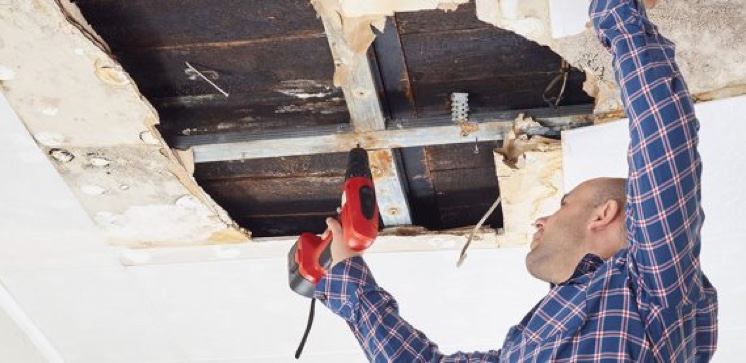
If you are living somewhere that has problems, damp, mould, leaks, broken heating and unsafe electrics, then you have likely asked yourself: how much money could I possibly make because of this situation?
Having worked with people for over a decade collaborating with tenants and legal teams, the honest response is that the crisis is systemic and varies the most: there is no bottom line, and a person saying otherwise is not being honest. Regardless, there are systemic inequities that determine how much you could make, and knowing this information puts you in a better situation.
What Is Compensation For Housing Disrepair?
Compensation for housing disrepair is money given to a tenant when the landlord neglects to maintain a safe, and liveable unit. This generally covers social housing, council housing, and housing association homes, but it can also include private rentals.
Compensation is not a “bonus” or payout for complaining. It is meant to reflect:
- Loss of enjoyment of your home
- Health problems caused or worsened by the disrepair
- Damage to personal belongings
- Stress, inconvenience, and disruption
- In some cases, rent paid for a property that wasn’t fit to live in
What Is Housing Disrepair Compensation?
Housing disrepair compensation is money paid to a tenant when a landlord fails to keep a property in a safe, habitable condition. This usually applies to social housing, council properties, and housing association homes, but it can also apply to private rentals in certain circumstances.
Compensation is not a “bonus” or payout for complaining. It is meant to reflect:
- Loss of enjoyment of your home
- Health problems caused or worsened by the disrepair
- Damage to personal belongings
- Stress, inconvenience, and disruption
- In some cases, rent paid for a property that wasn’t fit to live in
Typical Compensation Ranges (Realistic Figures)
While every case is different, most housing disrepair claims fall into three broad compensation bands.
1. Minor Disrepair – £1,000 to £3,000
This usually covers issues such as:
- Intermittent heating problems
- Small leaks or plumbing faults
- Localised damp that hasn’t spread extensively
Compensation here is often calculated as a percentage of rent over the period the issue was ignored. For example, 10–20% of rent for several months.
2. Moderate Disrepair – £3,000 to £10,000
This is where many claims sit. Typical problems include:
- Persistent damp and mould in multiple rooms
- Long-term heating or hot water failure
- Electrical issues affecting safety
- Repeated repair attempts that failed
If you’ve lived with these problems for a year or more, compensation can increase significantly, especially if there’s medical evidence of health impacts
3. Severe Disrepair – £10,000+
Higher-value claims involve:
- Dangerous living conditions
- Severe mould linked to respiratory illness
- Flooding or structural defects
- Children or vulnerable adults affected
- Years of landlord inaction
In these cases, compensation may include general damages, special damages, and sometimes reimbursement of rent for long periods.
What Actually Determines How Much You Get?
Courts and solicitors don’t guess compensation figures. They look closely at evidence. These are the key factors that matter most:
1. How Long the Disrepair Lasted
The longer the issue continued after the landlord was notified, the higher the potential compensation. A leak fixed in 4 weeks is very different from one ignored for 2 years.
2. Severity of the Problem
A cracked tile is not the same as black mold spreading through bedrooms. The more serious the impact on daily life, the stronger the claim.
3. Impact on Your Health
Medical evidence can dramatically increase compensation. This includes:
- GP records
- Hospital visits
- Asthma, chest infections, skin conditions
- Mental health stress caused by living conditions
4. Who Lives in the Property
Claims involving children, elderly tenants, or disabled occupants are treated more seriously, particularly where health risks are involved.
5. Rent Level
Compensation is often calculated as a percentage of rent, so higher rent can mean higher damages.
Can You Claim Compensation and Repairs at the Same Time?
Yes, and this is a common misunderstanding.
A housing disrepair claim usually aims to:
- Force the landlord to complete repairs
- Secure compensation for the period you lived with the problems
Good legal teams push for both outcomes, not one or the other. In many cases, repairs are completed partway through the claim, but compensation still reflects the full period of disrepair.
What About Damaged Furniture or Belongings?
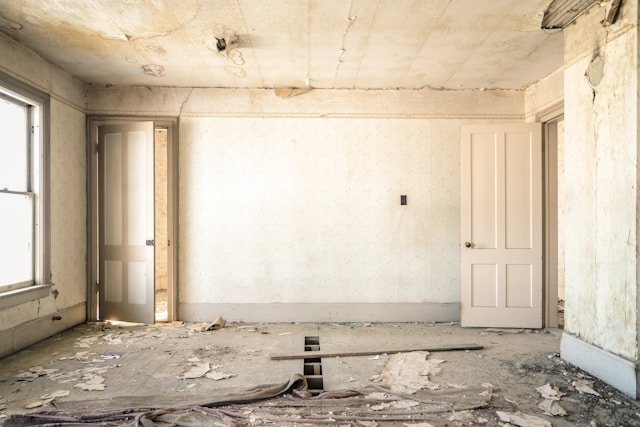
If mould, leaks, or pests have damaged your belongings, you may also be able to claim for:
- Beds and mattresses
- Sofas and carpets
- Clothing
- Electrical items
Photos, receipts, or even bank statements can help support these losses. This type of compensation is assessed separately from general damages.
Do You Have to Go to Court?
Most housing disrepair claims do not end up in court. The majority are settled once:
- An independent surveyor confirms the defects
- The landlord accepts responsibility
- Repair schedules are agreed
Court action is usually a last resort when landlords refuse to act or deny obvious problems.
Local Knowledge Matters
Housing conditions, landlord behaviour, and even court expectations can vary by area. Tenants in large cities often face different challenges than those in smaller towns.
For example, cases handled by a Best housing disrepair team familiar with local authorities tend to progress faster because they understand how those landlords operate. This is particularly relevant for tenants dealing with long-standing issues in council or housing association properties.
If you’re based in the West Midlands, working with professionals experienced in housing disrepair Birmingham cases can make a real difference, especially where certain landlords have a history of delayed repairs.
How Long Does a Claim Take?
On average:
- Straightforward claims: 4–6 months
- More complex cases: 6–12 months
Delays usually come from landlords failing to respond, not from the legal process itself.
Final Thoughts
Housing disrepair compensation is not about exaggeration or blame. It’s about accountability. If a landlord has failed to maintain your home and that failure has affected your health, comfort, or finances, compensation is a legal remedy not a favour.
The strongest claims are built on:
- Clear evidence
- Consistent reporting of issues
- Proper legal guidance
- Patience and persistence
If you’re unsure whether your situation qualifies, it’s often worth getting advice early. Even a brief review can help you understand what compensation might realistically look like and what steps to take next.
Your home should be a place of safety, not something you have to endure.