

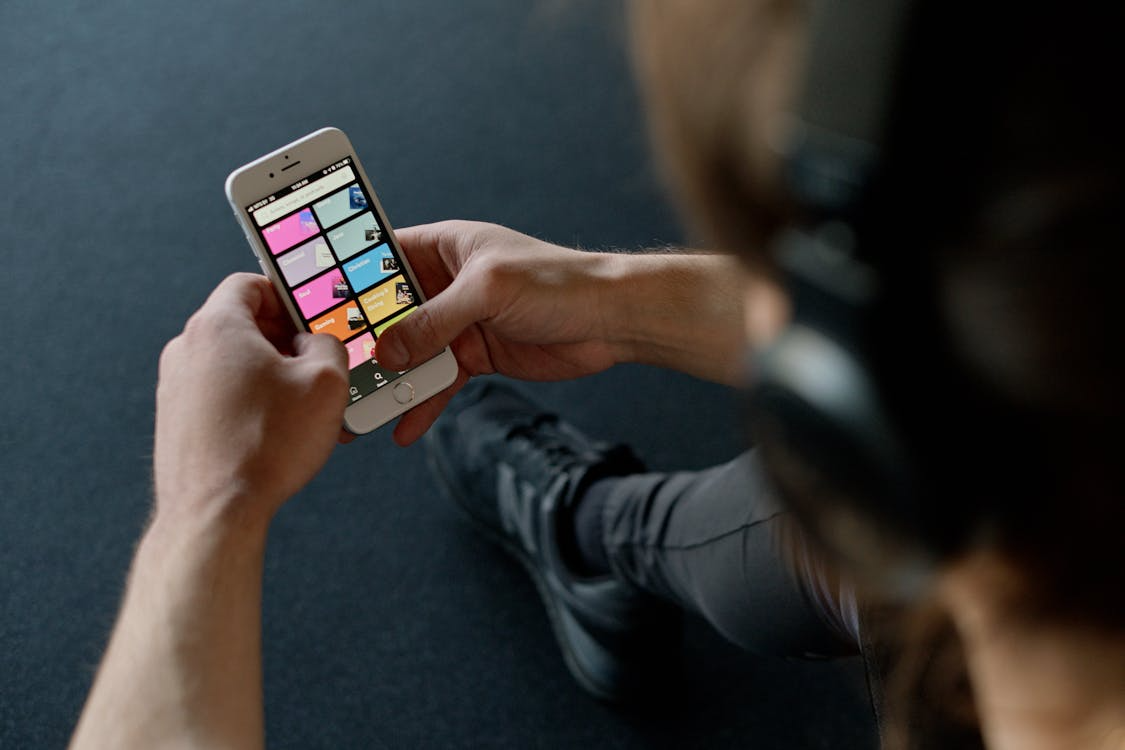
Music has become a constant companion in daily life, shaping moods, routines, and shared experiences. People now turn playlists, tracks, or podcasts into Spotify QR code formats to move music seamlessly from personal devices into physical spaces. This simple connection transforms listening from a private habit into a social, visual, and lifestyle-driven interaction.
Creative Lifestyle Ideas Built Around Spotify QR Codes
QR codes for Spotify often appear in small, thoughtful details rather than large campaigns. These uses reflect how music integrates naturally into everyday life.
- adding QR codes for Spotify to travel journals that capture the soundtrack of each trip;
- placing QR codes on home art prints that link to playlists matching the room’s mood;
- using QR codes in workout spaces to share personal training playlists;
- attaching QR codes to photo albums that open music tied to specific memories;
- including QR codes for Spotify in handwritten notes or gifts for a personal touch.
These ideas work because QR codes feel personal rather than promotional. They invite exploration without demanding attention.
QR codes for Spotify in Shared and Personal Spaces
The table below shows how QR codes for Spotify typically function across lifestyle settings, focusing on their role rather than technical setup.
| Lifestyle setting | Role of the QR code |
| Home spaces | Mood-based music access |
| Travel journals | Memory-linked soundtracks |
| Fitness routines | Instant workout playlists |
| Social gatherings | Shared listening moments |
This perspective highlights why QR codes for Spotify feel natural in daily life. They blend into spaces rather than standing apart from them.
Managing Music Sharing Beyond One-Time Moments
As people begin using QR codes for Spotify more often, questions of maintenance and flexibility arise. A playlist might evolve, or a podcast recommendation might change, while the physical QR code remains in place. This is where dynamic QR codes become relevant, allowing the destination to change without replacing the printed or displayed code.
Many users rely on a QR code maker or QR code creator that supports this flexibility. It allows lifestyle projects to grow organically, whether that means updating a seasonal playlist in a café or refreshing music shared in a personal space. The QR code stays the same, while the listening experience evolves.
QR Code Platforms in Lifestyle Music Experiences
A platform used for lifestyle QR sharing should prioritize simplicity, adaptability, and quiet reliability. It needs to support updates without reprinting, provide insight into how QR codes are accessed, and remain easy to manage for non-technical users. These qualities matter most when QR codes are part of personal expression rather than structured campaigns.
ME-QR is an international platform for generating, managing, and analyzing QR codes, often used in lifestyle scenarios where music, memories, and physical spaces intersect. It supports dynamic QR codes, scan analytics by device, location, and time, mass QR creation, API integrations, and branding options through a simple control panel.
In everyday use, this structure allows QR codes for Spotify to remain fixed in place while playlists or audio content change naturally over time.
FAQ
Can QR codes for Spotify be used for personal projects?
Yes, they are commonly used in journals, gifts, home décor, and personal spaces.
Can the linked playlist change over time?
Dynamic QR codes allow the destination to be updated without replacing the QR code.
Do QR codes for Spotify work across different devices?
They can be scanned on most smartphones, making them easy to use in everyday settings.