 11
11
The modern-day procurement teams are under continuous pressure to deliver savings, be compliant, and react promptly to the fluctuations in the market. The manual bidding systems, long e-mail messages, and spreadsheet-based reviews are not adequate in a competitive sourcing business environment. This is where the auction management software represents its transformational role, allowing organizations to be more rapid, transparent, and data-driven in bidding activities. It aligns procurement with strategic business objectives.
Automated bidding tools are no longer efficiency enhancers but core enablers of the current procurement work. These tools are assisting organizations to shift to proactive value-creation sourcing, rather than reactive purchasing, by bringing structured competition, real-time visibility, and analytical rigor to sourcing.
The issue of procurement has changed dramatically in the last few years. What was previously an administrative role dealing with purchase orders and coordination of the vendor has become a strategic discipline that impacts cost management, risk management, and supplier innovation, supported increasingly by source-to-pay software. Some of the reasons that have increased these changes are:
Automation helps to resolve those problems by making workflow consistent, minimizing human intervention, and allowing decisions across sourcing processes to be made consistently. The center of this development is automated bidding tools that provide speed, structure, and fairness to the selection of suppliers.
Automated bidding tools refer to online services that assist procurement teams in carrying out organized sourcing activities like reverse auctions, sealed bids, and multi-round negotiations. Suppliers compete not by communicating with each other via emails or spreadsheets with a fixed set of bids, but by striving in real time or within specific bidding periods using standardized criteria. Such tools usually help to support:
Formalizing the competition, automated bidding tools remove all ambiguity, but, at the same time, sourcing decisions become objective and defensible.
The conventional bidding processes can be time-consuming (weeks and months). Automated auction management software reduces this time drastically since the organization of events, participation of suppliers, and evaluation is standardized. The teams of procurement are able to roll out events more quickly, manage greater quantities of sourcing, and comply with the business schedules without increasing the number of employees.
The presence of a competitive bidding-fomenting environment motivates the suppliers to offer their best. Live access to competing bids frequently results in small price increments that are hard to realize in the framework of the non-evolving negotiations. This eventually translates into cost savings, which can also be measured.
Fully automated bidding systems generate a single source of truth. All bids, timestamps, rule changes, and relationships with suppliers are automatically recorded. This openness facilitates internal control, audit preparedness, and regulatory compliance, which is an important requirement.
Despite the assumption that auctions can overburden supplier relationships, properly designed automated bidding activities can lead to increased engagement. Understanding of bias and perceptions is minimized by having clear rules, equal visibility,y and structured communication. Suppliers benefit from:
For procurement teams, this results in a larger involvement, superior supplier identification, as well as healthy long-term connections founded on equity and trust.
Among the strongest benefits of automated bidding tools is the fact that they transform the sourcing activity into actionable data. The leaders of procurement learn about:
As part of sourcing strategies, the insights can assist organizations to sharpen category strategies, enhance negotiation planning, and predict market movement in the future.
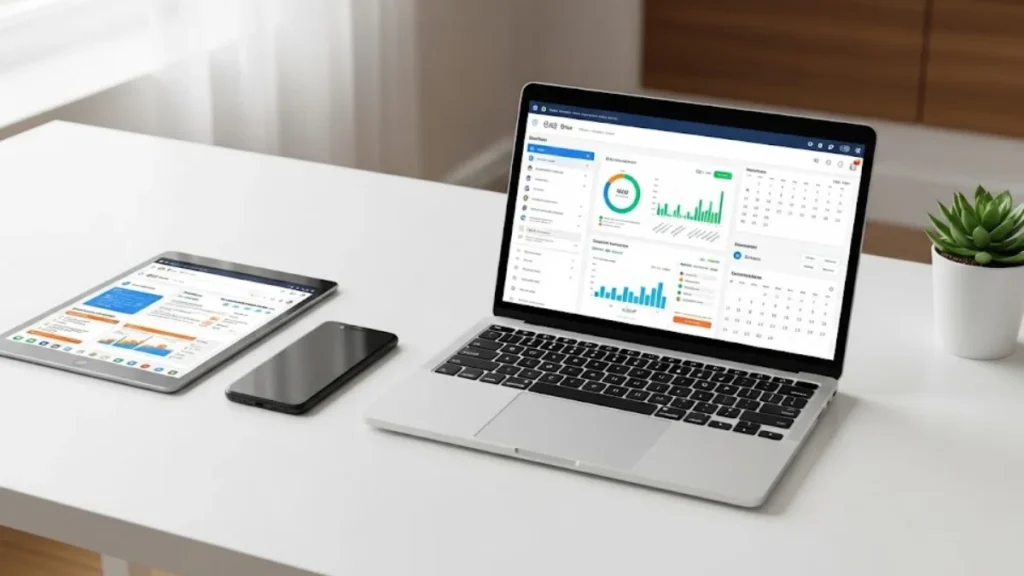
The advantages of mid-cycle analysis can also be improved when the auction management software is integrated with the procurement procedures. Teams can compare the live bids with the previous history and set objectives without any manual tools.
Poor procurement practices, such as inconsistency in processes, poor documentation, or a lack of knowledge about the suppliers, are the main causes of risk exposure. Standardized rules and validations are curbed by automated bidding tools to curb these risks across the sourcing life cycle. Critical risk-reduction advantages are:
This systematic process makes sure that sourcing processes are in tandem with the policy of the organization and external rules and regulations, but flexible where necessary.
When the repetitive sourcing processes are automated, the procurement professionals will be able to divert their attention to more valuable tasks like:
Automation is not used to substitute the procurement knowledge; it enhances it. The teams have less time to deal with the bids and more time to interpret results, talk with the stakeholders, and create strategic impact.

The advantages are high in numbers, but the implementation needs to be well thought out in order to be adopted successfully.
Organizational Readiness: Procurement teams should conduct an assessment of the maturity of their processes, data quality, and alignment of the stakeholders before automated bidding tools are rolled out.
Supplier Enablement: There should be effective communication and training of the suppliers since they must understand how to be effective players to encourage healthy competition rather than opposition.
System Integration: Automated bidding systems are valuable when combined with upstream planning systems and downstream contracts and purchases.
With the advancement of artificial intelligence and analytics, automated bidding tools are becoming intelligent and adaptive, especially when integrated with source-to-pay software. Emerging capabilities include:
Those innovations make automated bidding a strategic and not a tactical tool; the tool that facilitates persistence and flexible procurement activities.
The automated bidding tools have transformed the way procurement organizations undertake sourcing, competition, and value creation. They enable teams to reach better results by governing and trusting the suppliers through speed, transparency, and intelligence.
To those organizations that are trying to integrate automated bidding with larger procurement processes, Platforms such as Procol illustrate how source to pay software environments can easily interoperate with auction-led sourcing. This integration enables the procurement teams to shift out of singular occurrences to end-to-end visibility in order to make smarter decisions, greater compliance, and maintain operational efficiency without disturbing the current business processes.