
When it comes to comfort during hot summer months or ensuring a comfortable workspace, selecting the right air conditioning (AC) installation for your home or office is crucial. An efficient and properly installed air conditioning system not only enhances comfort but also saves energy and reduces long-term maintenance costs. In this guide, we’ll take a closer look at key factors to consider when choosing an air conditioning installation that suits your needs.
Understand Your Cooling Needs
Before diving into the types of air conditioners available, it’s essential to understand the specific cooling requirements of your home or office. Here are a few things to consider:
- Size of the Space: The size of the room or building significantly impacts the type of AC unit you need. Larger spaces will require more powerful units to cool effectively.
- Climate Zone: Your location plays a critical role in determining the capacity of the air conditioning system. Areas with hotter temperatures for longer durations may need units with more cooling power.
- Room Layout and Insulation: Well-insulated spaces retain cool air more efficiently, reducing the load on your AC system. Open floor plans or poorly insulated areas may require a more powerful system.
Types of Air Conditioning Systems
Choosing the right type of air conditioning system depends on several factors, including space, budget, and efficiency. Here are the most common types:
Central Air Conditioning
Central AC systems are ideal for cooling large spaces, such as entire homes or office buildings. These systems have ducts that distribute cool air throughout the building, making them highly efficient for large areas. If your space has existing ductwork, a central AC installation might be the most cost-effective solution.
Pros:
- Cools large spaces effectively.
- Quiet operation.
- Can maintain consistent temperature control across multiple rooms.
Cons:
- Higher installation costs.
- Requires existing ductwork (can be an issue for buildings without ducts).
Ductless Mini-Split Systems
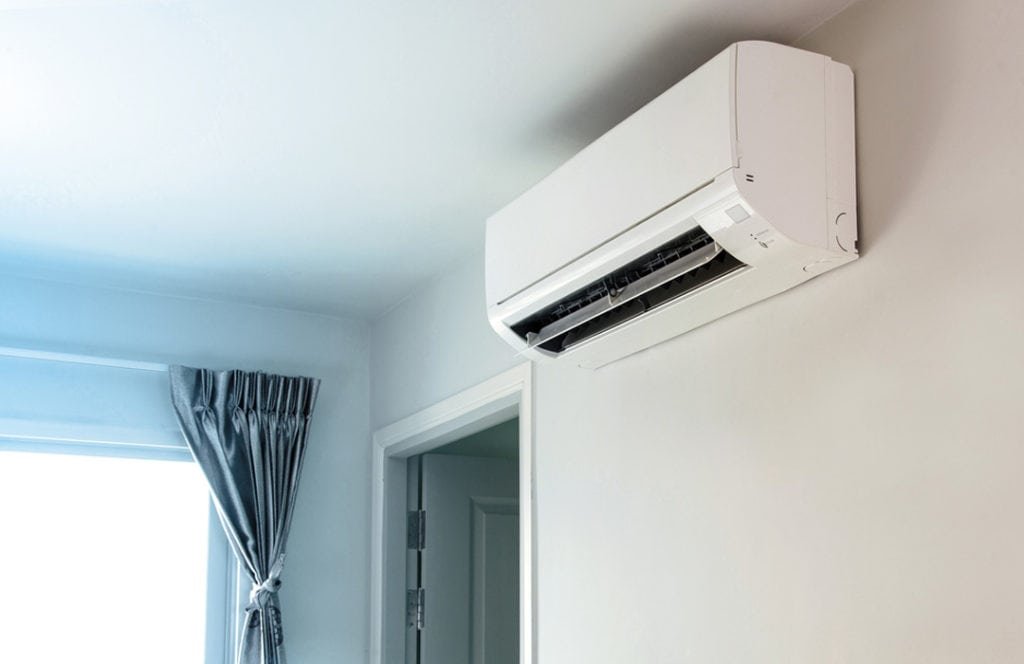
Ductless mini-split systems are ideal for homes or offices without existing ductwork. These systems consist of an outdoor compressor unit and multiple indoor air-handling units. Each unit is installed in a separate room, giving you control over the temperature in individual spaces.
Pros:
- No need for ducts.
- Allows zone cooling, meaning you can control the temperature in individual rooms.
- Energy-efficient and easy to install.
Cons:
- Higher upfront cost compared to window or portable AC units.
- Visible indoor units may not be aesthetically pleasing to some.
Window Units
Window air conditioners are compact, budget-friendly units installed in a window or a specially designed opening. These units are typically used to cool single rooms and are ideal for those on a tight budget or with limited space.
Pros:
- Lower upfront cost.
- Easy to install and remove.
- Good for cooling single rooms.
Cons:
- Less energy-efficient than other options.
- Can obstruct windows and reduce natural light.
- Noise level can be higher compared to central or ductless units.
Portable Air Conditioners
Portable air conditioners are freestanding units that can be moved from room to room. These units are perfect for renters or people who want flexibility, as they don’t require permanent installation.
Pros:
- Easy to move from room to room.
- No installation required.
- Ideal for cooling small spaces.
Cons:
- Less energy-efficient than window or central AC systems.
- Can be noisy.
- Requires a vent to exhaust hot air, which can be challenging for certain room layouts.
Energy Efficiency and SEER Rating
When selecting an air conditioning system, energy efficiency should be a top priority. Not only does it reduce environmental impact, but it can also save you money on your electricity bills in the long run. One of the key metrics to evaluate energy efficiency is the Seasonal Energy Efficiency Ratio (SEER).
The SEER rating measures the cooling output of an air conditioner over a typical cooling season divided by the energy it consumes in watt-hours. The higher the SEER rating, the more energy-efficient the unit. For residential AC units, a SEER rating of 14 or higher is considered good, with more efficient models reaching ratings of 20 or beyond.
Look for the ENERGY STAR label to ensure you’re choosing an energy-efficient system.
Consider Your Budget
While the upfront cost of installing an air conditioning system is a major consideration, it’s also essential to account for long-term operating and maintenance costs. Some systems, such as central AC units, may have a higher installation cost but are more energy-efficient and cost-effective in the long run.
In contrast, window or portable AC units tend to have lower installation costs but may be more expensive to operate, especially if they are used frequently or to cool larger spaces.
Make sure to weigh the installation cost, ongoing energy consumption, and maintenance fees when choosing the right air conditioning system.
Choose a Reliable Air Conditioning Brand
Selecting a reputable brand is crucial when it comes to both reliability and performance. Popular brands like Daikin, Trane, Carrier, and Mitsubishi are known for their durable and energy-efficient systems. A trusted brand ensures better customer service, availability of replacement parts, and warranties.
Professional Installation and Maintenance
Even the best air conditioning systems will underperform if they are not installed correctly. That’s why choosing a professional AC installation service is essential to get the most out of your system. Here’s what you should expect from a professional installation:
- Assessment of the Space: A professional installer will evaluate your space to determine the right size and type of AC system for optimal performance.
- Proper Installation: Whether it’s installing ductwork for central air, mounting window units, or setting up ductless mini-splits, ensure the installation is done professionally to avoid leaks, energy loss, and subpar cooling.
- Post-Installation Maintenance: Regular maintenance is key to extending the lifespan of your AC system. Look for an installation service that offers post-installation support, including routine maintenance checks, cleaning, and troubleshooting.
Noise Levels
Noise is an important factor to consider when choosing an air conditioning system, especially if it’s going to be in a bedroom, study, or office where concentration is key. Central AC systems and ductless mini-splits tend to be quieter than window or portable units.
Check the manufacturer’s specifications for noise levels, typically measured in decibels (dB). For reference, a whisper is around 30 dB, and a normal conversation is around 60 dB. Air conditioners should ideally operate below 60 dB for a comfortable environment.
Additional Features to Look For
- Smart Thermostats: Many modern air conditioners come with smart features, allowing you to control your system remotely via smartphone apps. This is especially useful for adjusting the temperature when you’re not home or in the office.
- Air Purification: Some air conditioning systems come equipped with built-in air purifiers that help remove allergens, dust, and other pollutants from the air, improving indoor air quality.
- Dehumidification: Certain AC systems also offer dehumidifying features, which can help reduce humidity levels in the air, making the environment more comfortable.
Conclusion
Choosing the right air conditioning installation for your home or office requires careful consideration of several factors, including cooling needs, budget, efficiency, and space constraints. Whether you opt for a central air system, ductless mini-split, window unit, or portable air conditioner, be sure to choose a system that fits both your short- and long-term needs.
Always consult with professional installers who can assess your space and recommend the most suitable solution. With the right system in place, you’ll not only stay cool during the hottest months but also enjoy a more energy-efficient, comfortable environment.
