

Sports apparel is often seen as fashion, but it can directly influence how you move. The inappropriate clothing can stick and bind. Bad seams are distracting and irritating. A close cut may restrict access and movement. When the clothes are designed to suit the physical requirements of the sport, movement becomes less challenging, and you can concentrate on technique rather than layering up and down. This is found among many players who find that things like golf gilets are good for keeping the core warm, but they do not limit the shoulders; the same argument extends to all sports.
Map Your Sport To Its Key Movements
Each sport possesses a few movement patterns that are repeated. Clothing must reinforce those patterns and not struggle against them. Running is dependent on hip flexion, constant arm swing, and impact repetition. Football and rugby require sudden shifts of direction, contact, and sprinting. Tennis engages rotation, overhead reach, and latitudinal movement. Golf is based on torso rotation, shoulder movement, and leg balance. Training in gyms involves deep bends, overhead lifts, and load stability core work.
Visualise your primary motions before purchasing. When the sport involves twisting, find clothes that do not pull when rotated. If you lunge and squat, pay attention to stretching around the hips and knees. The first step to matching the movement with clothing is to know what your body does when you play.
Prioritise Freedom Through The Shoulders
One of the most rapid methods to experience discomfort is shoulder restriction. Even mild tightness can alter technique, particularly in sports which require reaching, throwing or swinging.
Wear tops that will not have your arms pulled up in the air, over your head, and across your body. Raglan sleeves, stretch panels and smart seam placement can assist it. A jacket that is comfortable when standing may become tight after several moves. Test the clothing by lifting your arms, turning your body and imitating your sports move before committing.
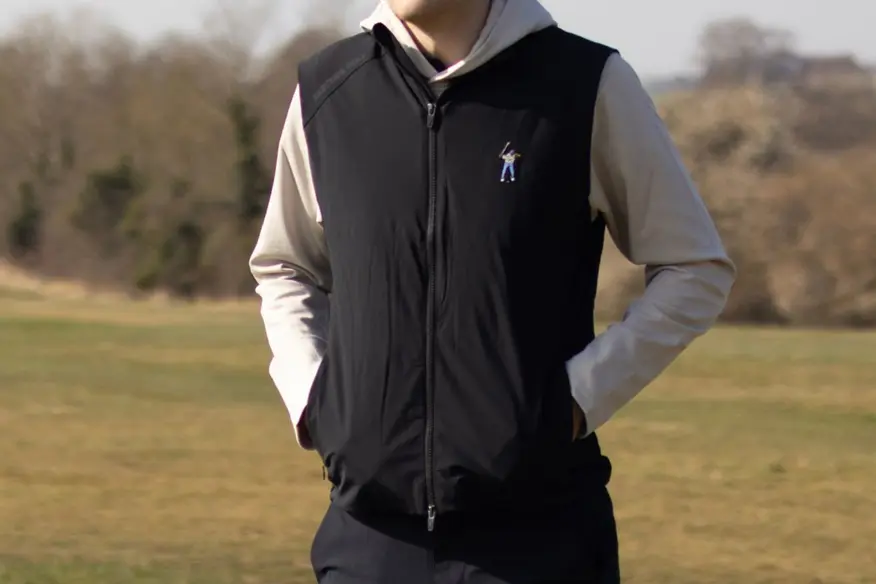
In cooler seasons, outer layers should be considered. Bulky sleeves and stiff materials can reduce mobility. A well-designed sleeveless layer can keep one warm while allowing the shoulders to move.
Support Hips And Knees Without Pinch Points
Lower-body apparel must allow motion at the hips and knees. Squeezing seams, non-stretchy materials, and ill-fitting waistbands can be uncomfortable during squats, lunges, or high-knee action. Find a stretch that returns to its original shape. Stretchy yet baggy fabric is distracting and heavy. Waistbands must remain in place without puncturing the stomach, particularly when bending.
Durability is relevant in sports that involve sliding or contact. Panel reinforcement can be used to prevent abrasion without stiffening the panels. Balance is key. Durable does not have to be rigid.
Choose Fabrics That Match Intensity
Intensity alters the behaviour of clothing. It is all right to walk slowly in nearly anything. Intense exercise produces sweat, heat and friction. Moisture control fabrics are designed to minimise cling and make you feel lighter. Breathability also matters. When heat cannot escape, performance is impaired, and focus is lost. In outdoor sports, wind resistance may be useful, and a completely covered layer may trap heat and sweat. Select clothes that are protective but not too hot.
During colder weather, moisture control is even more significant. The perspiration that remains in contact with the skin may cause chills during breaks. Outward-moving moisture layers stabilise the temperature.
Seams And Fit Decide Comfort
Many comfort problems are caused by seams and fit rather than by the fabric. A seam placed in an inappropriate location may be repeatedly rubbed, particularly under the arms or around the thighs. Flat seams reduce friction. Smooth labels prevent itch. A good fit does not fall off easily. When shorts creep up, or a top keeps sliding, you will keep on readjusting. That is a distraction that influences performance.
Compression is personal. Other athletes like a tight fit. Some desire more liberal cuts in the air. Both can be used provided there is free movement, and rubbing is not done. The trick is to be comfortable throughout the session, not just during the first five minutes.
Layering For Movement And Weather
Layering must not be bulky and should support movement. Most athletes overdress during cold weather, and then overheat as they move. That results in uncomfortable and wet clothes.
A foundation layer near the skin helps regulate moisture. A mid-layer adds warmth. There is an outer layer that deals with wind and rain when necessary. This system can be adjusted when the conditions vary.
In sports that require a lot of rotation of the upper body, select the layers that do not limit the swing or reach. Sleeveless and lighter outer garments are usually more suitable than thick jackets. The layering technique is also applicable during the transitional seasons, when it can be cold at the start of the day but quickly warms up.
Sport-Specific Needs That Affect Clothing Choice
Certain sports pose special requirements. Bikers need clothes that won’t bunch up when they are in a forward posture. Runners require light, layered garments that will not blow in the wind. Court sports use clothing that facilitates sideways movement and rapid halting. Golfers usually require warmth and comfort without restricting their shoulders or clothing that remains comfortable during extended rounds.
Contact sports introduce additional factors. Clothing should remain strong and tight enough not to snag, but loose enough to permit movement and breathing. The training environment is also important. Sessions inside the house usually require light materials, as heat tends to accumulate quickly. Outdoor activities require protection from wind and rain. Select the clothing according to where you play frequently.
Build A Kit That Works Together
An effective dressing code is uniform. Top, bottoms and layers must be compatible. When a waistband collides with a seam of a base layer, then pain ensues. When a jacket is tightened against a tight shirt, one cannot move freely.
Assemble a little kit of useful items that address your primary circumstances. Only add special products when necessary, such as wet-weather protection or additional warmth during long outdoor sessions. A smaller kit that functions performs better than a large wardrobe of compromises.
Clothing That Supports Better Movement
Choosing sports apparel according to movement requirements will enable you to play and train with less distraction. The first step is to learn the repetitive movements of your sport, then select clothes that cushion the shoulders, keep the hips and knees stable, and maintain moisture at an appropriate level. The choice of seam, fit and layering also influences comfort during a complete session. When the clothes do not hinder movement but assist it, the method is easier, and pleasure is enhanced, no matter the sport.
