

Owning a home is an ongoing relationship with time. Materials age, lifestyles change, and what once felt modern slowly becomes inefficient or worn. While not every part of a house needs constant work, many professionals use a practical benchmark: certain areas benefit from renovation roughly every seven years. This isn’t a rigid rule, it’s a maintenance rhythm that helps homeowners stay ahead of wear instead of reacting to emergencies.
Thinking about renovation in cycles makes upkeep more manageable. Instead of waiting for failure, you evaluate how your home is performing and whether it still supports the way you live. Some spaces age faster because they absorb daily activity, while others simply fall behind modern standards. Kitchens, bathrooms, flooring, finishes, and even safety systems all deserve periodic attention.
Kitchens – Where Wear Shows First
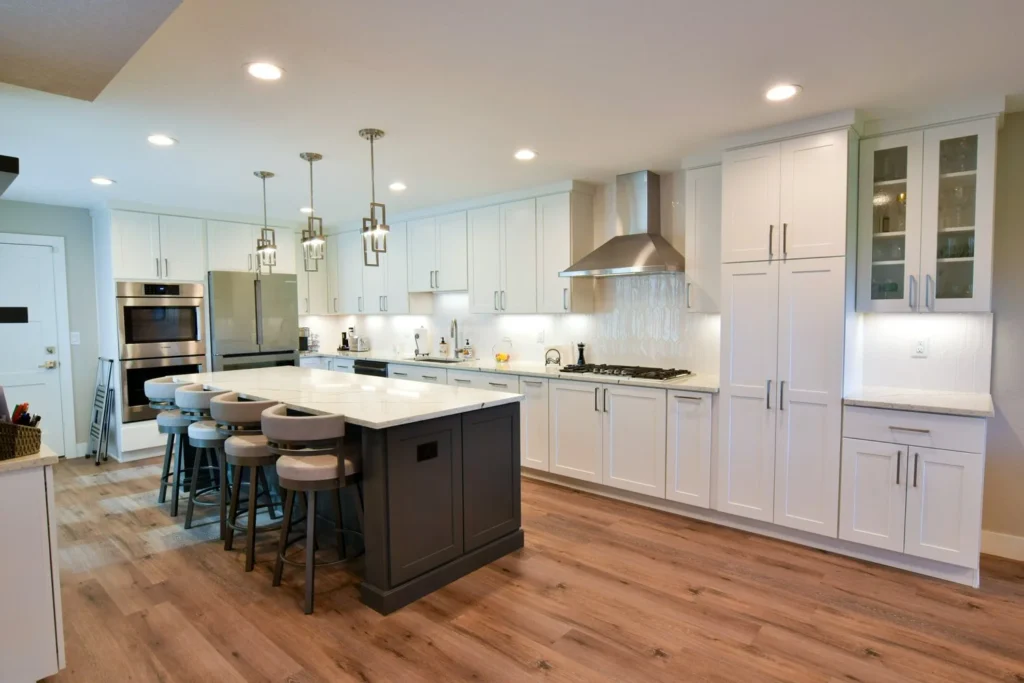
The kitchen is the most active room in most homes. It handles heat, moisture, spills, foot traffic, and constant movement. Over time, even durable surfaces begin to show fatigue. Cabinet hinges loosen, grout darkens, appliances become inefficient, and layouts that once worked begin to feel cramped.
That’s why many homeowners naturally start with Greenville kitchen remodeling when they revisit their renovation cycle. A kitchen refresh is rarely just about aesthetics. It’s about improving how space functions day after day. A smarter layout can eliminate bottlenecks, better storage can reduce clutter, and upgraded surfaces can withstand the next decade of use.
Even kitchens that look “fine” may no longer match the way families live today. Remote work, larger households, and evolving cooking habits all change how the room is used. Renovation restores alignment between the space and your lifestyle.
Bathrooms – Small Rooms With Heavy Demands
Bathrooms experience constant humidity and frequent cleaning, which accelerates wear more than most homeowners realize. Seals weaken, grout absorbs moisture, ventilation struggles, and surfaces gradually lose their resistance to water. Problems rarely appear suddenly, they build quietly.
A seven-year check-in is often enough to prevent larger issues. Updating caulking, improving ventilation, replacing worn fixtures, and resealing tile can dramatically extend the life of a bathroom. In some cases, a more substantial refresh makes sense, especially if moisture damage or outdated plumbing is involved.
Bathrooms are compact spaces, but their performance affects health, air quality, and comfort. Periodic upgrades protect both the structure and daily routines.
Flooring – The Silent Record of Daily Life
Floors reveal how a household lives. Every step, spill, pet scratch, and piece of furniture leaves its mark. High-traffic areas age fastest, and even premium materials eventually show fatigue. Carpet compresses and stains, laminate chips, and hardwood loses its protective finish.
A full replacement isn’t always necessary at the seven-year mark, but inspection and restoration often are. Hardwood can be refinished, tile grout can be refreshed, and protective coatings can be reapplied. These interventions restore appearance and extend lifespan without full demolition.
Ignoring flooring wear often leads to deeper structural problems underneath, especially when moisture is involved.
Paint – The Simplest Reset
Paint is one of the most visible indicators of aging. Walls absorb sunlight, fingerprints, scuffs, and daily friction. Over time, even the best finishes fade or dull. A fresh coat of paint doesn’t just improve appearance, it resets the atmosphere of a space.
Most interiors benefit from repainting every seven to ten years, sometimes sooner in high-traffic homes. It’s a relatively low-cost upgrade that dramatically changes how a house feels. Fresh paint brightens rooms, reflects light better, and supports resale value.
Because it’s accessible and affordable, paint often becomes the gateway to larger renovations.
HVAC Systems – Comfort Behind the Scenes
Heating and cooling systems rarely draw attention until something fails, but they age continuously. Around the seven-year mark, homeowners should evaluate system efficiency, airflow quality, and maintenance history. This doesn’t always mean replacement, but it often reveals opportunities for upgrades.
Improved thermostats, duct cleaning, and efficiency adjustments can reduce energy bills while increasing comfort. Ignoring HVAC health leads to uneven temperatures, higher costs, and declining air quality – problems that build gradually and affect daily life more than most people realize.
Exterior Finishes – Protection From the Elements
Exterior surfaces endure relentless exposure. Sunlight fades paint, wind loosens trim, and rain tests every seal. Small cracks or gaps that go unnoticed can allow moisture inside, leading to rot or insulation loss.
A seven-year inspection cycle keeps these vulnerabilities under control. Repainting, resealing joints, and repairing siding preserve structural integrity while maintaining curb appeal. Exterior maintenance is less about appearance and more about preventing hidden damage.
Homes that look well-maintained usually are well-maintained. The visual signal often reflects underlying care.
Roofing – Prevention Over Replacement
Roofs typically last much longer than seven years, but inspections at this interval are critical. Weather damage accumulates slowly. Loose shingles, failing flashing, or clogged gutters rarely announce themselves dramatically, they simply wait until water finds a path inside.
Routine inspections catch minor issues early, extending the roof’s lifespan and preventing expensive interior damage. Preventive maintenance costs far less than reactive repairs.
Safety Systems – Quiet Guardians
Smoke detectors, carbon monoxide alarms, and electrical safety systems should never be assumed to last indefinitely. Around every seven years, homeowners should review whether safety devices meet current standards and operate reliably.
Technology improves quickly. Newer systems provide better detection, connectivity, and redundancy. Updating safety equipment is not a cosmetic upgrade, it’s a protection upgrade.
Homes should evolve alongside safety expectations.
Windows and Doors – Efficiency and Comfort
Windows and doors influence temperature control, sound insulation, and energy performance. Over time, seals degrade and frames shift. Drafts appear gradually, often so subtly that homeowners adjust to discomfort without noticing.
A periodic review reveals whether repairs, resealing, or replacement would improve efficiency. Modern glazing technologies significantly outperform older installations, making updates more impactful than many homeowners expect.
Comfort is often hidden in the details.
Why the 7-Year Cycle Works
The seven-year guideline isn’t about strict scheduling, it’s about awareness. Homes age in layers. Instead of waiting for catastrophic failures, homeowners who review their spaces in predictable intervals stay ahead of problems.
Renovation becomes proactive rather than reactive. Small interventions prevent large disruptions. Surfaces stay fresh, systems stay efficient, and the house continues supporting life instead of fighting it.
Think of it less as renovation and more as long-term stewardship.
Homes are living environments shaped by everyday use. Kitchens, bathrooms, flooring, paint, exterior finishes, and safety systems all absorb time differently, but none are immune to wear. Evaluating these spaces every seven years creates a rhythm that protects both comfort and value.
Some renovations are aesthetic, some structural, and some invisible but essential. Together, they ensure that a house grows with the people inside it. Kitchens often lead the cycle because they carry the most activity.
A well-maintained home doesn’t demand constant attention. It simply benefits from consistent awareness. Renovation isn’t about chasing perfection. It’s about preserving function, comfort, and the quiet satisfaction of living in a space that works.
