

The cold weather alters the way people work. As pain accumulates, the hands become stiff, movement slows, and judgment becomes slippery. Meanwhile, darker mornings and earlier evenings decrease the visibility around vehicles, plants, and live traffic. The solution to the two issues is a practical layering system that keeps the body warm without adding bulk that would limit movement. The system that many teams construct around includes items such as an embroidered hi-vis gilet, which provides additional insulation and visibility but does not cover the arms, allowing them to lift, hold tools, and work at height.
Why Layering Matters For Safety
Warmth is not merely about comfort. Cold impairs dexterity and reaction speed, potentially amplifying errors. The body is also struggling to keep warm, and fatigue increases. Layering is useful because it enables workers to control temperature as conditions vary throughout the day.
One heavy jacket is often a problem. Heating causes sweating, and when activity decreases, the wearer becomes chilled as the sweat cools. A layered configuration lets you add or remove insulation without losing visibility or having to shut down work.
Layering also facilitates compliance. Even with additional clothing added, hi-vis requirements must still be satisfied. An effective system design ensures that reflective areas are exposed and that important strips of key are not covered with loose outerwear.
The Base Layer And Moisture Control
The bottom layer rests on the skin and deals with sweat. Physical work generates moisture even during winter. When that moisture is retained, the body cools down fast during breaks or slower activities.
An effective base layer must wick sweat and dry quickly. Fit matters. An excessively loose layer will bunch, creating a cold spot. One that is too tight may feel constricting and uncomfortable when worn under other garments.
Base layers are also supposed to be movable. When shoulders and elbows are tight, workers change positions, which may further strain them. Natural movement is facilitated by a comfortable base, reducing fatigue during long shifts.
Mid Layers For Heat Without Bulk
Mid layers offer insulation. They are supposed to trap warmth and, at the same time, allow air to pass by. This is where most individuals fail: they opt for thick, rigid clothing that restricts movement.
A decent mid-layer is loose and comfortable. It must not be too thick, but must be warm over the core, yet not bulky enough to press in under harness straps or tool belts. Breathability is also important, particularly to those workers who alternate between active and inactive jobs.
Mid layers are useful when they are easily adjustable. A zip neck will allow one to get some ventilation without undressing the entire outfit. Such a minor modification can avoid overheating and keep the body dry.
Why Gilets And Body Warmers Work Well
Gilets and body warmers provide insulation to the centre, where warmth is most useful. Warming the torso helps regulate overall body temperature, even when the arms are not covered.
This design has an advantageous safety feature. Arms are free, which helps with manual handling and tool control. Employees would not have to struggle with bulky sleeves, as they can ascend, access, and haul items when performing tasks that demand precision, such as wiring, fitting, or working with fixings. Freedom of movement minimises errors.
Body warmers fit well beneath numerous hi-vis outer layers. They will be able to provide cosiness without rendering the top layer tight. It will be handy on those early mornings when it is cold, and then, as the day warms up, the top layer can be removed, leaving a visible middle layer.
Outer Layers For Wind And Rain
The outer layer keeps out the wind and rain. Lightweight layers can be easily cut through by wind chill, and thus a protective shell can keep the core warm. A hi-vis outer is supposed to be large enough to cover mid layers without being tightened across the shoulders. Limited movement may result in unsafe handling and awkward positioning. Reflective parts should also be clear on the outer garment. When a hood or high collar covers reflective strips, the visibility is reduced.
Waterproofing should be compromised with ventilation. The shell is completely sealed, allowing sweat to accumulate and leading to damp insulation. An outer layer that is practical in nature allows sufficient airflow, making the system comfortable during a long shift.
Visibility And Placement Considerations
Hi-vis clothing works best when viewed from multiple angles. Layering must leave reflective areas uninterrupted by casual coats or dark hoodies. Take into account the working conditions. The visibility of vehicle yards, roadworks, and loading areas in warehouses must be clear in low light. Harness straps should not conceal reflective strips. If straps need to cross reflective surfaces, make sure the rest of the straps provide good visibility.
Colour choice also matters. The effect of hi-vis colours is lost when they are dirty. Frequent cleaning keeps it bright and minimises the risk of being overlooked during bad weather.
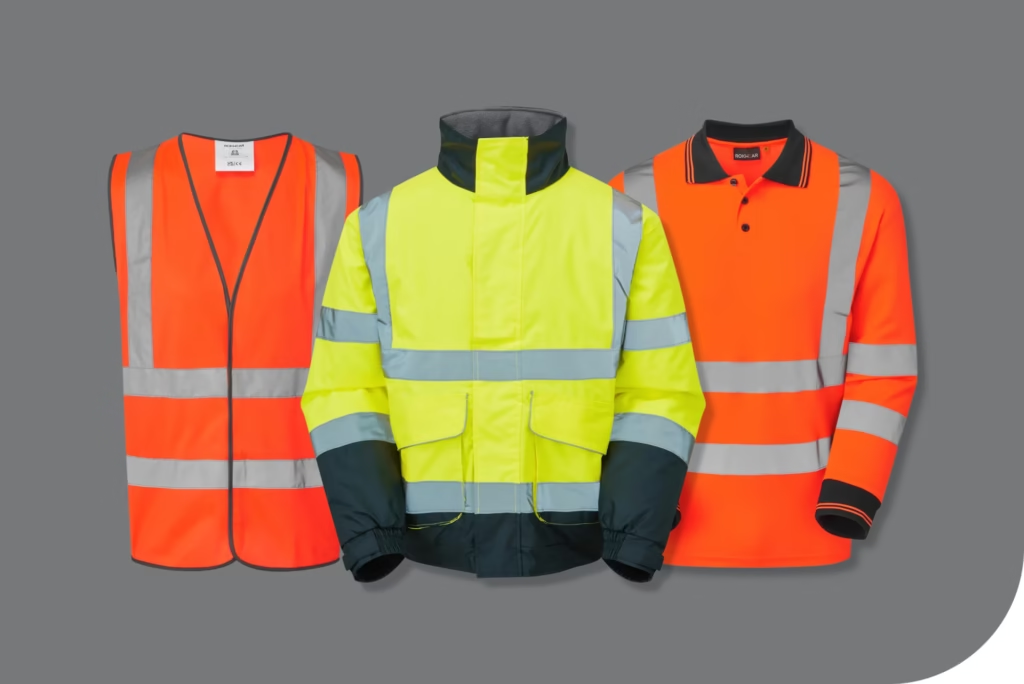
Fit, Comfort, And Movement
A layered system can only work when it is comfortable when performing actual tasks. Close-fitting clothes limit movement. Loose clothing can snag. Both create risk. Test fit while moving. Lift hands, bend, twist, crouch. In case the clothing creeps or slips, change the size or the type of layer. Sleeves are not to be caught on equipment. Belts and tools should not be disturbed by hemlines.
Comfort features matter. Soft cuffs reduce rubbing. Smooth seams minimise irritation. A secure collar can block drafts without feeling tight. These specifications influence workers’ decisions to wear the layers, thereby affecting warmth and safety.
Branding Without Compromising Function
Site clothing is often branded, though not to the detriment of visibility. Embroidery should not be placed over reflective strips or reduce hi-vis coverage. A gilet can be a good branding layer because it is frequently used in various conditions. It can accommodate a logo while still leaving the outer shell dedicated to weather protection. The size and positioning of branding should not be so large as to overpower the hi-vis design.
Uniformity within teams is also beneficial. Having everyone on the same system makes it easier to identify workers and control safety standards.
A System That Adapts To The Day
Cold-weather hi-vis clothing is about control. A base layer manages sweat. Mid layers provide warmth. Gilets and body warmers cover the centre without limiting arms. External skins deal with wind and rain and leave reflective space open. As the system is designed for fit and movement, workers remain warmer, alertness is enhanced, and visibility is improved during darker periods. The combination helps to work more comfortably through the winter season.
