

For Londoners seeking luxurious, natural-looking volume and length, the choice of hair extension method is pivotal. Amid the rich array of options, clients notice a distinct feel and performance when selecting bonding techniques. In fact, for those who consult leading salons like Ivana Farisei bonding hair extensions deliver a tactile and sensory experience that stands apart from other approaches. The secret lies in the fundamental differences in application, materials, and integration with the natural hair. Understanding these nuances can help you set realistic expectations and choose the best method for your lifestyle and hair goals in the vibrant beauty scene of the UK.
The Science Behind Bonding Techniques in Hair Extensions
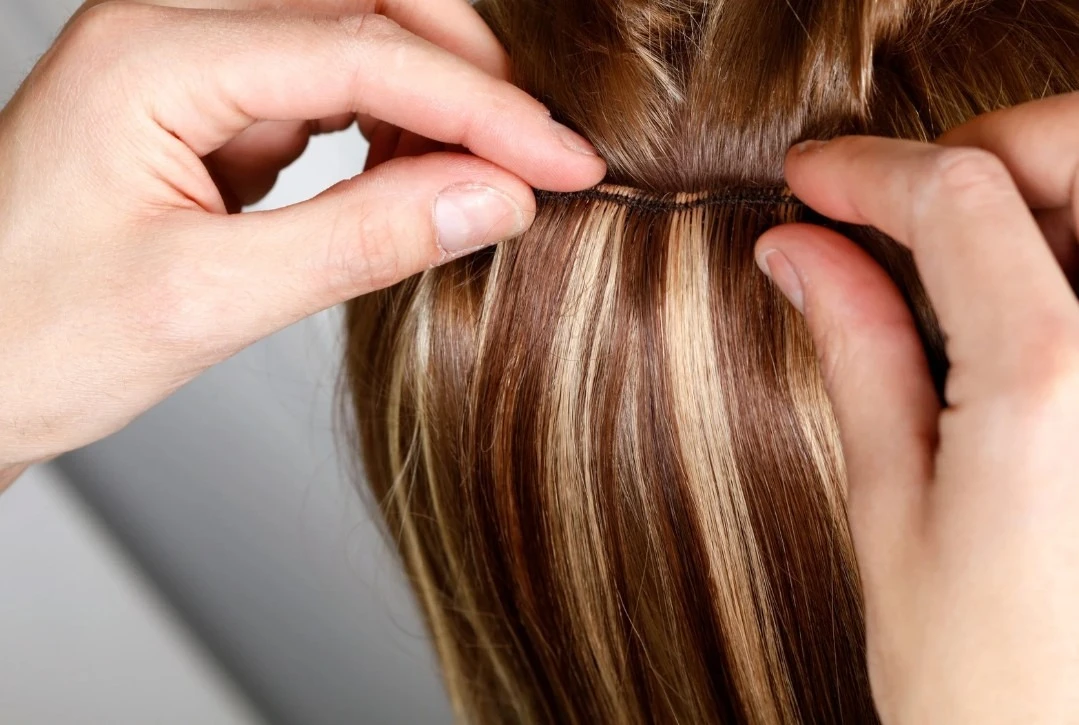
Bonding hair extensions are renowned for their seamless finish and strong attachment, but they owe their unique feel to the process and products used. This method typically involves a keratin-based adhesive that fuses individual extension strands or small bundles to sections of your natural hair near the roots. The bond is designed to mimic the flexibility and texture of real hair, yet it inevitably introduces a slightly different sensation compared to other systems like tape-ins, micro-rings, or clip-ins.
Keratin bonds are small, discreet, and adapt well to various hair types, making them an ideal choice for those seeking long-term wear and a natural flow. Their placement along the natural strands ensures discrete volume and movement. However, the bonded points create slightly firmer nodes along the scalp, which some clients describe as subtly textured or “raised” when running their fingers through their hair, especially during the first days after application.
Unlike temporary methods that simply attach extensions against the hair, bonding creates a semi-permanent connection. This difference manifests not only in durability but also in the way the hair falls and behaves. The added weight of the bonds is distributed in a way that balances comfort with security, yet for first-time users, this distribution can feel foreign at the outset. With time, most individuals adapt completely, appreciating the resilience and natural motion these extensions provide.
The success of the bonding process relies on precise sectioning, expert handling, and careful temperature control during application. Too much heat or adhesive can result in stiff, bulky extensions; too little, and the hold may be compromised. Quality salons in London, aware of the local preference for invisible, versatile hair enhancements, invest in premium keratin and meticulous technique for optimal results.
Comparing Bonded Extensions to Other Methods: Feel, Wearability, and Lifestyle
When evaluating why bonded extensions feel different, it’s essential to compare them with other popular techniques available in London salons. The city’s dynamic clientele includes professionals, creatives, and fashion-forward individuals–all requiring different solutions based on comfort, appearance, and ease of maintenance.
Physical Sensation and Scalability
Tape-in extensions are celebrated for their slim, flat bonds that lie parallel with the scalp, resulting in a barely noticeable feel when installed correctly. Micro-ring (or nano-bead) extensions use small metal loops or beads to crimp extensions onto natural hair, producing tiny bumps that can be felt upon touch but are generally well-tolerated with proper installation. Clip-in extensions, the least invasive, rest on the surface and can be removed at will, making them an excellent choice for occasional wear but less suitable for daily, prolonged use.
By contrast, the keratin bonds in the bonding technique feel denser at first contact. They follow the natural movement of your hair, but the nodes anchoring each extension strand are palpable, especially to the wearer. For many, particularly those with fine or sensitive scalps, this is a noticeable change. Within the salons of London, stylists often reinforce that adaptation is quick, and the distinct feel is offset by the unmistakable benefits: longevity, natural look, and the freedom to style hair without worrying about clips or tapes becoming visible.
Lifestyle Considerations
Active individuals or those who habitually tie hair up may notice bonded extensions more than with tape-ins or micro-rings. The durable adhesion of the bond, however, means less slippage or shifting, permitting a broader range of activities without fear of dislodgement. The bond points are discreet in daily styling and endure regular washing, swimming, or sport–ideal for the multifaceted lives led in the UK’s capital.
Maintenance and Removal
Maintenance intervals vary: bonded extensions typically require professional removal and reapplication every 3-5 months, whereas tapes and beads need more frequent adjustments. The bonds’ material is tailored to break down gently under professional solvents, minimizing damage to natural hair when removed correctly.
Clients seeking a natural, undetectable finish with long intervals between salon visits often prefer bonded methods, accepting a short adjustment period as a worthwhile trade-off.
Key Differences: Materials, Longevity, and Client Experience
What truly separates bonding hair extensions from tapes, rings, and clips is a blend of technical characteristics and subjective experiences. Below is a summary of the most significant differentiators:
- Attachment Material: Bonded extensions use keratin glue, while tape-ins rely on medical adhesives, and rings use metal. Each material impacts how the extensions feel and move with your natural hair.
- Weight Distribution: With bonding, the weight is distributed across many small bonds rather than larger wefts or surface attachments, creating a distinct tactile profile.
- Longevity: Bonded extensions can last several months with proper care, outlasting most tape or bead options.
- Natural Movement: Individual strand attachments move more naturally, blending seamlessly with your own hair.
- Removal Process: Bonded extensions require professional solvents for safe removal, unlike the simple slide-off of beads or unpeeling of tapes.
- Initial Sensation: The raised nodes of bonded extensions can take a week or two to acclimate to, especially if you are accustomed to flatter or temporary systems.
- Styling Freedom: Bonded extensions tolerate heat styling, coloring, and updos with fewer restrictions than some methods.
Those considering a transition to bonded systems can benefit from the experience and guidance of London experts such as Ivana Farisei who provide .
Tailoring the Choice: What Should London Clients Prioritize?
Selecting the right hair extension method involves balancing personal preferences, hair type, and lifestyle. For many in London, where both practicality and style are non-negotiables, bonded extensions offer an ideal compromise. Their durability suits the city’s fast-paced life, while the undetectable finish is perfect for polished, professional settings and high-fashion events alike. Still, the initial sensation is a major consideration; discussing your expectations in detail with a qualified stylist can help determine if bonding is your best fit.
Clients who value low-maintenance glamour, longevity, and the ability to enjoy versatile styling gravitate toward bonding. After the initial adjustment, most find the feel of keratin bonds unnoticeable–especially given the confidence and styling freedom they deliver.
Conclusion: Making Informed Choices for Seamless, Natural Results
Understanding why bonding hair extensions feel different from other methods empowers Londoners to make confident, informed decisions about their hair transformation. The subtle tactile differences stem from advanced application technology and material science–resulting in extensions that look and move like real hair, for months on end. By collaborating with trusted specialists and considering your own priorities, you can enjoy the very best the hair extension world has to offer.
