

Have you ever wondered whether a lie detector test can truly tell if someone is being dishonest? Maybe you have seen one used in a TV drama, or perhaps you are now considering one for a real-life situation. Either way, you are not alone. Millions of people search for answers about polygraph testing every year, and the questions are almost always the same: Does it really work? How accurate is it? And when should someone actually use one?
This guide answers all of those questions in plain, simple language. By the time you finish reading, you will have a clear, honest understanding of what a lie detector test is, how it works, what affects its accuracy, and how professional services like Global Experts Union deliver results you can actually trust.
What Is a Lie Detector Test?
A lie detector test, more formally called a polygraph examination, is a scientific procedure that measures specific physical reactions in the human body while a person answers a series of questions. The idea behind it is straightforward: when most people tell a lie, their body reacts in ways they cannot fully control.
The word “polygraph” comes from the Greek words meaning “many writings.” That name reflects exactly what the device does. It records multiple physiological signals at the same time, creating a detailed picture of how the body responds to different questions.
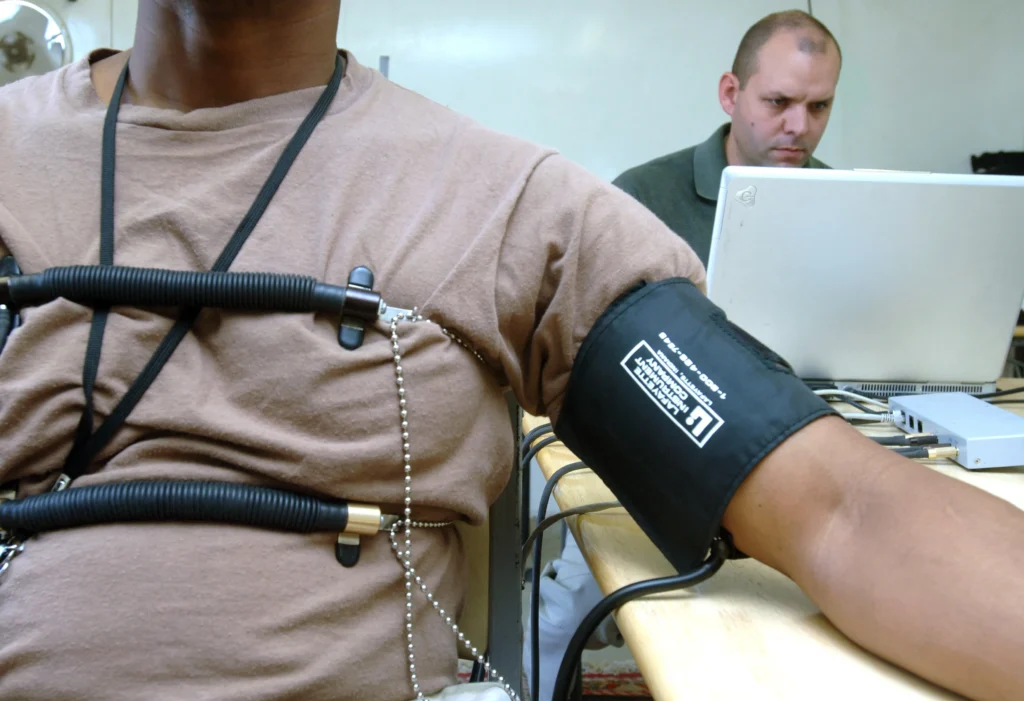
The physical signals a polygraph measures include:
- Heart rate and blood pressure – changes that occur when the body feels stress or fear
- Breathing rate and depth – shifts in how fast or shallow a person breathes
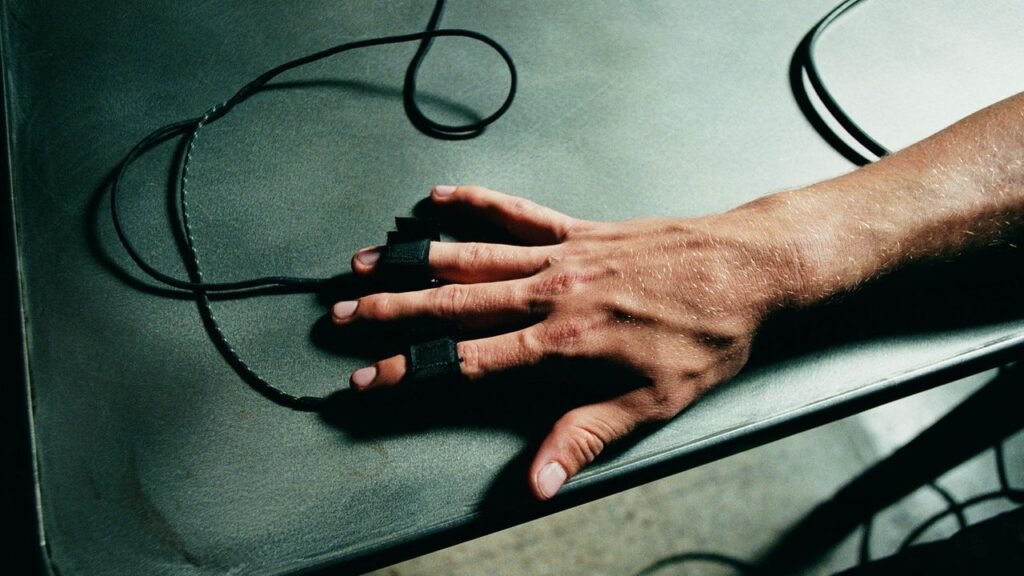
- Skin conductance – the tiny electrical changes on the skin surface caused by sweating
- Blood volume – subtle changes in how blood flows near the skin
- Body movement – recorded via a sensor in the chair to detect deliberate attempts to interfere with the reading
None of these sensors are painful. They are simply attached to the fingertips, chest, and arm. The test is completely non-invasive, and a trained examiner monitors everything in real time.
How Accurate Is a Lie Detector Test? The Science Behind the Numbers
This is the question most people want answered first, so here it is directly: according to the American Polygraph Association (APA), a properly conducted polygraph examination administered by a certified examiner achieves an accuracy rate of between 87% and 98%.
That is a wide range, and the difference matters. The accuracy of any given test depends on several key factors:
Factors That Affect Polygraph Accuracy
| Factor | Why It Matters |
| Examiner qualification and experience | A certified, experienced examiner interprets physiological data with greater precision |
| Quality of the pre-test interview | Proper question preparation significantly reduces ambiguous results |
| Test format and methodology | Validated formats like the Comparison Question Test (CQT) produce more reliable data |
| Equipment quality and calibration | Outdated or poorly maintained equipment produces noisier data |
| Testing environment | A quiet, controlled room free of distractions reduces interference |
| Subject’s physical and mental state | Illness, extreme anxiety, or certain medications can affect baseline readings |
When all of these conditions are met properly by a qualified professional, accuracy consistently reaches the upper end of that 87 to 98 percent range. This is why choosing a certified, experienced provider is so important.
What the Research Says
Independent scientific reviews support the reliability of professionally conducted polygraph testing. A 2003 review by the National Research Council of the United States acknowledged that polygraph testing detects deception at rates well above chance. More recent research published in journals focused on psychophysiology confirms that multi-channel physiological monitoring by trained examiners is a valid method of deception detection.
The key word in all of this research is “properly.” A test administered without proper training, validated question formats, or calibrated equipment will not produce the same results. This is precisely why choosing an accredited service with internationally certified examiners is not optional. It is essential.
How Does a Professional Lie Detector Test Work? A Step-by-Step Look
Understanding the process helps remove the mystery and the fear around polygraph testing. Here is what a professional examination actually involves, from start to finish.
Step 1: The Initial Consultation
Before anything begins, a certified examiner speaks with the client to understand the situation. This is where the scope of the test is defined, the most appropriate testing format is chosen, and any medical or personal factors that might affect the results are identified.
At this stage, there are no surprises. Every question that will be asked during the test is reviewed and agreed upon in advance.
Step 2: The Pre-Test Interview (30 to 60 Minutes)
The examiner sits down with the person being tested and goes through every single question out loud. This is not a trick or a formality. It is a critical part of the methodology. When a subject knows exactly what is coming, their stress response during neutral questions becomes a reliable baseline. Any deviation from that baseline during relevant questions carries real meaning.
The examiner also reviews the subject’s physical health, current medications, and emotional state to ensure the test conditions are appropriate.
Step 3: The Examination Itself (40 to 90 Minutes)
The non-invasive sensors are attached and the question sequence begins. A well-structured examination includes three types of questions:
- Neutral questions – Used to establish a physiological baseline (for example, “Is today Thursday?”)
- Relevant questions – The questions directly related to the matter under investigation
- Comparison questions – General integrity questions that help calibrate the subject’s typical stress response
The sequence is typically repeated three to five times to build statistical reliability. Each repetition adds data, and the examiner compares responses across all runs to identify consistent patterns.
Step 4: Post-Test Analysis
Once the examination is complete, the physiological data is analyzed using computer-assisted scoring systems such as the Empirical Scoring System (ESS) or the Objective Scoring System (OSS). These validated algorithms assess the significance of physiological changes across all channels.
The examiner then applies professional judgment to reach one of three conclusions:
- NDI (No Deception Indicated) – The physiological data does not support the conclusion that the subject was deceptive
- DI (Deception Indicated) – The data shows consistent, significant responses associated with deception on relevant questions
- INC (Inconclusive) – The data does not meet the threshold for a definitive conclusion in either direction
Step 5: The Written Report
A comprehensive written report is prepared and delivered to the client, typically within 24 hours. This document includes the methodology used, all questions asked, the physiological data summary, the scoring results, and the examiner’s professional conclusion. For legal cases, the examiner can also provide expert testimony.
When Is a Lie Detector Test Useful?
Polygraph testing is not only for dramatic courtroom moments. It has practical, everyday applications for both individuals and organizations.
For Individuals and Families
- Resolving suspicions about a partner’s faithfulness in a relationship
- Addressing disputes within families involving allegations or financial disagreements
- Verifying the honesty of domestic staff such as nannies or caregivers
- Providing supporting evidence in family court or custody proceedings
For Businesses and Organizations
- Pre-employment screening: Verifying that job candidates are truthful about their backgrounds, especially in roles involving financial responsibility or sensitive data
- Internal investigations: Identifying the responsible party when traditional methods such as security footage or audits have not produced a clear answer
- Periodic monitoring: Research and industry data suggest that organizations implementing regular polygraph screening report a 40 to 60 percent reduction in internal losses related to theft and fraud
- Due diligence: Confirming the accuracy of claims made by business partners or contractors before signing significant agreements
Can Someone Beat a Lie Detector Test?
This question comes up constantly, and the honest answer is: it is extremely difficult to do so with a modern, professionally administered polygraph.
Common countermeasure attempts include deliberately tensing muscles, trying to control breathing, or using mental exercises during neutral questions to artificially inflate baseline responses. Modern polygraph equipment includes dedicated sensors and software specifically designed to detect these tactics. In addition, certified examiners receive extensive training in recognizing behavioral and physiological signs of countermeasure use.
No instrument is 100 percent infallible, and that is true of all forensic tools, from DNA testing to fingerprint analysis. But the combination of multi-channel monitoring, computer-assisted analysis, and an experienced human examiner makes reliable deception during a professional polygraph test extremely rare.
A Real-World Case Study: Polygraph Testing in Corporate Investigations
Consider a mid-sized retail business that began experiencing consistent inventory shortages over a six-month period. Internal audits identified a discrepancy exceeding thousands of dollars, but the CCTV footage was inconclusive and interviews with the twelve-person warehouse team produced no clear leads.
The business engaged a certified polygraph service. After specific-issue examinations were conducted with each relevant team member, the physiological data consistently identified one individual. When presented with the results, the employee admitted to the conduct. The total loss was recovered in part, and the business implemented periodic polygraph screening as a deterrent.
This type of outcome is common in corporate investigations. The polygraph does not replace traditional investigative methods. It complements them by providing an objective, data-driven tool when other evidence alone is insufficient.
Frequently Asked Questions (FAQ)
Is a lie detector test 100% accurate?
No forensic tool, including polygraph testing, is 100 percent accurate in every situation. However, when conducted properly by a certified examiner using validated methodology and calibrated equipment, modern polygraph examinations consistently achieve accuracy rates between 87 and 98 percent. The conditions of the test and the examiner’s qualifications are the biggest variables.
How long does a polygraph test take?
A complete examination typically takes between 1.5 and 3 hours in total. This includes the pre-test interview (30 to 60 minutes), the actual examination (40 to 90 minutes), and a brief post-test review. The official report is usually delivered within 24 hours of the examination.
Are polygraph results admissible in court?
Admissibility varies by country and jurisdiction. In many legal systems, polygraph evidence is accepted in court when conducted by a certified examiner following standardized protocols. A professional provider will be knowledgeable about the specific legal standards in your country and will prepare reports to meet those requirements.
Who typically uses a lie detector test?
Polygraph testing is used by a wide range of clients including private individuals resolving personal disputes, businesses conducting pre-employment screening or internal investigations, law firms seeking supporting evidence for legal cases, and government agencies requiring security clearance verification.
Is the process painful or invasive?
Not at all. The sensors used in a polygraph examination are attached non-invasively to the fingertips, chest, and arm. There is no discomfort associated with the process. Many people find the pre-test interview actually helps reduce anxiety because every question is reviewed in advance.
Can a nervous person fail a polygraph test?
General nervousness does not cause a failed result. The polygraph measures the difference between a subject’s baseline physiological response and their response to specific relevant questions. Everyone is nervous to some degree, and the examiner accounts for that through the calibration process. What the instrument detects is a significantly elevated response specifically on relevant questions, not overall anxiety.
What happens if the result is inconclusive?
An inconclusive result means the physiological data did not meet the statistical threshold for a definitive conclusion in either direction. This can occur due to external factors such as fatigue, illness, or high general anxiety. In such cases, the examiner may recommend rescheduling the examination under better conditions.
Final Thoughts
A lie detector test is not magic, and it is not a perfect machine. But in the hands of a qualified, internationally certified professional using modern equipment and validated methodology, it is one of the most reliable deception-detection tools available today.
Whether you are an individual seeking clarity in a personal situation, a business leader trying to protect your organization from internal threats, or a legal professional looking for supporting evidence, professional polygraph testing offers a structured, evidence-based path to answers that other methods simply cannot provide.
The most important step is choosing the right provider. Look for certified examiners, transparent processes, and a proven track record. When those factors are in place, a professional polygraph examination delivers exactly what most people are ultimately looking for: the truth.